Dopamine Detox: How Your Brain Recalibrates After Alcohol
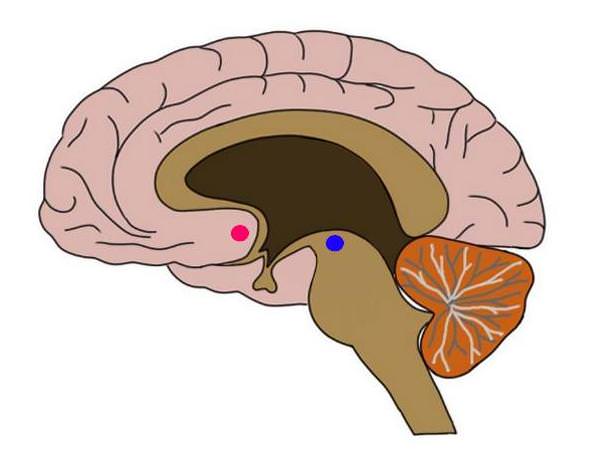
Your Brain on Alcohol: A Dopamine Story
When you drink, alcohol triggers a surge of dopamine — the neurotransmitter responsible for pleasure, motivation, and reward. Over time, your brain adapts by downregulating dopamine receptors, meaning you need more alcohol to feel the same effect. This is tolerance, and it's the beginning of a neurochemical trap.
The Downregulation Cycle
Here's what happens at the receptor level:
- First drink: Dopamine floods the reward circuit. You feel relaxed, social, euphoric.
- Repeated drinking: Your brain reduces the number of D2 dopamine receptors to compensate for the artificial surplus.
- Baseline drops: Without alcohol, you now feel flat, unmotivated, even anxious — because your natural dopamine system is suppressed.
- Craving intensifies: Your brain interprets this deficit as a signal to seek the substance that "fixes" it.
This is not a character flaw. It's neuroscience.
What Happens When You Stop
The good news: your brain is remarkably plastic. When you remove alcohol from the equation, your dopamine system begins to recalibrate. But it doesn't happen overnight.
Days 1-3: Dopamine levels crash. You may feel irritable, restless, and unable to enjoy things you normally would. This is the acute withdrawal phase.
Days 4-14: Your brain starts upregulating receptors again. You'll have moments of clarity mixed with flat periods. Sleep may be disrupted as your GABA/glutamate balance resets.
Weeks 3-8: Natural dopamine signaling strengthens. Colors seem brighter. Music sounds better. You start laughing at things again — genuinely, not performatively.
Months 2-6: Full receptor recovery for most moderate drinkers. Heavy drinkers may take 12-18 months, but the trajectory is consistently upward.
Practical Strategies During the Flat Period
The first two weeks are the hardest because your reward system is recalibrating. Here's how to support the process:
- Exercise: Even a 20-minute walk triggers natural dopamine release. It's the single most effective substitute.
- Cold exposure: Cold showers increase dopamine by up to 250% (Huberman Lab, 2021). The effect lasts 2-3 hours.
- Sunlight: Morning sunlight exposure regulates dopamine and serotonin production.
- Novel experiences: Try a new recipe, take a different route, visit a new place. Novelty is a natural dopamine trigger.
- Track your progress: Seeing your ResetPoint Score improve activates the same reward circuits — without the crash.
The Takeaway
Your brain isn't broken. It's adapted to a chemical environment you created. Remove the chemical, and your brain will rebuild. The flat period isn't permanent — it's proof that healing is happening.
The science is clear: every day without alcohol is a day your dopamine system gets stronger. And once it recalibrates, the natural highs — connection, achievement, creativity, movement — feel better than any drink ever did.
Sources: Volkow et al., "The Dopamine Motive System" (2017); Huberman Lab Podcast, "Dopamine Control" (2021); Heinz et al., "Dopamine D2 Receptors in Alcoholism" (2004)