Forest Bathing and Nature Therapy: An Outdoor Alternative to Drinking
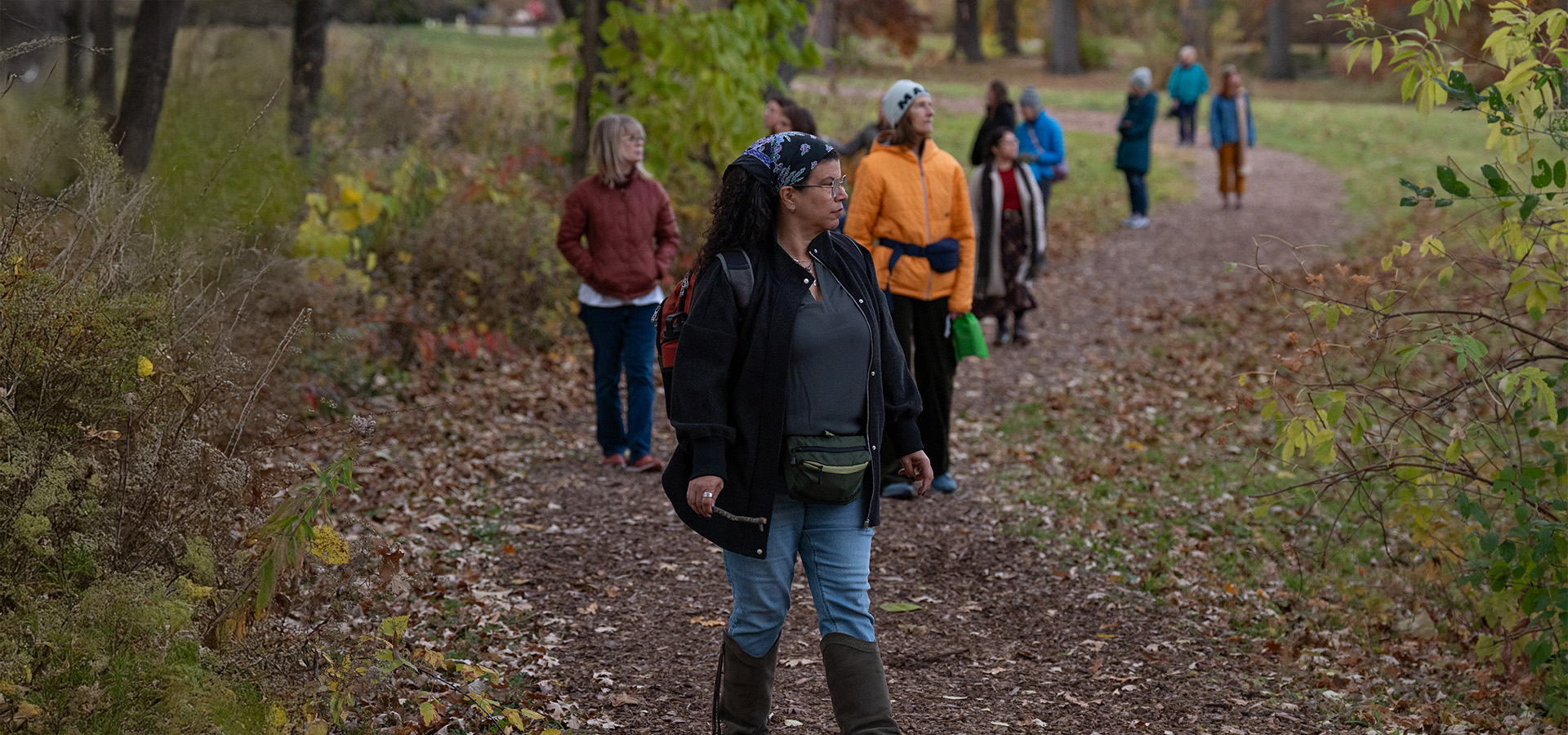
Forest Bathing and Nature Therapy: An Outdoor Alternative to Drinking
In our fast-paced, always-on world, the desire to decompress after a long day is universal. For many, that ritual involves pouring a glass of wine or cracking open a beer. It’s a common way to signal the end of work and the beginning of relaxation. But what if there was a way to achieve that same sense of calm—or an even deeper one—without the negative health impacts of alcohol?
Enter Forest Bathing, or Shinrin-yoku (森林浴), the Japanese practice of immersing yourself in nature. It’s not about hiking or exercise; it’s the simple, meditative act of being calm and quiet amongst the trees, observing nature around you while breathing deeply. This practice is more than just a pleasant walk in the park—it's a scientifically-backed therapeutic technique that offers a powerful alternative to using alcohol for stress relief.
The Science of Nature Therapy
The idea that nature is good for us is intuitive, but the research behind shinrin-yoku gives it real credibility. The practice was developed in Japan in the 1980s, and since then, numerous studies have demonstrated its profound effects on mental and physical health. One of the most significant findings is its impact on stress.
When you feel stressed, your body releases a hormone called cortisol. While useful in short bursts, chronically high cortisol levels—often exacerbated by regular alcohol consumption—can lead to anxiety, weight gain, and a weakened immune system. Research has consistently shown that spending time in a forest environment significantly reduces cortisol levels. A landmark study led by Dr. Qing Li, a pioneer in the field, found that both viewing and walking in forest settings decreased cortisol, lowered pulse rates, and reduced blood pressure.
How does it work? Trees and plants emit aromatic compounds called phytoncides, which are natural oils that protect them from insects and germs. When we inhale these compounds, they trigger a cascade of positive effects in our bodies. Studies have shown that exposure to phytoncides can boost the activity of our natural killer (NK) cells, a type of white blood cell that plays a vital role in our immune response.
This is where the choice between an evening walk in the woods and an evening drink becomes clear. While alcohol may provide a temporary feeling of relaxation, it disrupts your sleep, elevates cortisol in the long run, and offers no restorative benefits. Nature, on the other hand, provides a sustainable, health-promoting path to genuine tranquility.
Your Guide to Practical Nature Therapy
Integrating forest bathing into your life doesn’t require a trip to a remote wilderness. It’s about finding pockets of nature wherever you are and engaging your senses. Here are some practical ways to start:
-
Find Your Spot: It could be a local park, a quiet trail, a botanical garden, or even a single tree in your backyard. The key is to find a place where you can feel a sense of peace, however small.
-
Leave Your Phone Behind: Or at least put it on silent. The goal is to disconnect from digital distractions and connect with the natural world. This is your time to be present.
-
Engage All Your Senses:
- Listen: What do you hear? The rustling of leaves, the chirping of birds, the gentle hum of the wind? Try to isolate different sounds.
- Look: Notice the different shades of green, the texture of the tree bark, the way sunlight filters through the canopy.
- Smell: Breathe in the scent of the earth, the trees, and the flowers. Can you smell the rain in the air?
- Touch: Feel the rough bark of a tree, the coolness of a stone, or the soft texture of moss.
-
Walk Slowly and Aimlessly: This isn’t a power walk. Meander without a specific destination in mind. Let your body be your guide. Stop when you feel drawn to something interesting.
-
Try a "Nature Prescription": Some doctors are now formally prescribing time in nature to their patients. Why not write one for yourself? Commit to spending 20 minutes in a natural setting, three times a week. Schedule it in your calendar just as you would any other important appointment.
Using ResetPoint to Support Your Journey
Building new habits, especially when replacing an old one like drinking, takes intention and support. This is where the ResetPoint app can become an invaluable tool in your nature therapy practice.
- Track Your Triggers: Use the Trigger Tracker to identify the specific times of day or a particular mood that makes you want a drink. Is it work stress at 5 PM? Use that as your cue to head outside for your nature prescription instead.
- Log Your Mood: After your time in nature, use the Mood Log to record how you feel. You’ll likely notice a significant shift in your stress and anxiety levels. Seeing this data over time reinforces the positive impact of your new habit.
- Watch Your ResetPoint Score: As you replace drinking occasions with nature therapy, you’ll see your ResetPoint Score improve, giving you a tangible measure of your progress toward a healthier life.
- Share in the Community: Feeling inspired by a beautiful sunset or a peaceful moment in the park? Share your experience in the Community Forum. Your journey can inspire others, and their stories can motivate you.
- Talk It Through: If you're struggling to break the association between stress and alcohol, the AI Therapist is available 24/7 to help you work through those feelings and reinforce your commitment to your new, healthier coping mechanism.
Deepen Your Practice with InnerShift
As you explore the calming power of nature, you may find you want to take your practice of mindfulness and relaxation even deeper. Forest bathing quiets the external world, while guided hypnosis can help quiet the internal chatter. Our sister platform, InnerShift Wellness, offers a library of audio sessions designed to help you manage stress, reduce anxiety, and build healthier habits from the inside out.
If you’re looking to reduce your reliance on alcohol and cultivate a deeper sense of peace, the Stress Management and Anxiety Relief sessions on InnerShift are a perfect complement to your new nature therapy practice. By combining the restorative power of the outdoors with the focused, positive suggestions of guided hypnosis, you can create a powerful, holistic system for well-being.
Conclusion
The urge to unwind is natural, but the method you choose matters. By swapping an alcoholic beverage for a mindful walk in nature, you are not just avoiding a negative; you are actively choosing a positive. You are lowering your stress hormones, boosting your immune system, and calming your mind in a way that is both sustainable and deeply healing. The next time you feel the pull to open a bottle, try opening your front door instead. The forest is waiting.
References
- Li, Q. (2010). Effect of forest bathing trips on human immune function. Environmental Health and Preventive Medicine, 15(1), 9-17.
- Antonelli, M., Barbieri, G., & Donelli, D. (2019). Effects of forest bathing (shinrin-yoku) on levels of cortisol as a stress biomarker: a systematic review and meta-analysis. International Journal of Biometeorology, 63(8), 1117-1134.
- Park, B. J., Tsunetsugu, Y., Kasetani, T., Kagawa, T., & Miyazaki, Y. (2010). The physiological effects of Shinrin-yoku (taking in the forest atmosphere or forest bathing): evidence from field experiments in 24 forests across Japan. Environmental Health and Preventive Medicine, 15(1), 18-26.