How Cutting Back on Alcohol Transforms Your Immune System
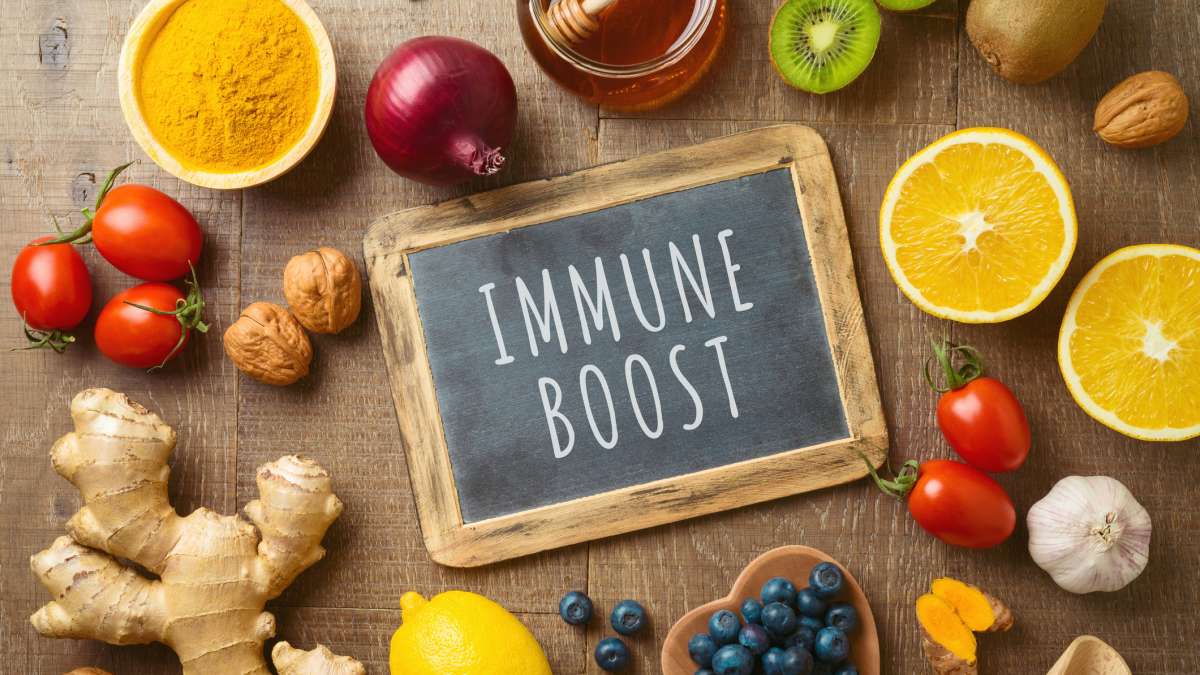
An occasional drink might seem harmless, but regular alcohol consumption can quietly disrupt one of the body's most critical defense systems: your immune response. For those looking to improve their health and reduce their alcohol intake, understanding this connection is a powerful motivator. The good news is that your immune system is remarkably resilient. By cutting back on alcohol, you can significantly bolster your body's ability to fight off illness and infection.
Alcohol and Your Immune System: A Complex Relationship
When you consume alcohol, it sets off a chain of events that can weaken your immune defenses. Research shows that both acute and chronic alcohol use can have a significant impact on the intricate network of cells and proteins that make up your immune system. One of the most immediate effects is on your white blood cells, the frontline soldiers in your body's defense against pathogens.
"Chronic heavy drinking diminishes the ability of all of the key cells of the adaptive immune response to fight infection." - Pasala, S., Barr, T., & Messaoudi, I. (2015).
Alcohol can reduce the number of these crucial cells and impair their function, making you more susceptible to infections. This is particularly true for the respiratory system, where alcohol can damage the protective immune cells in the lungs, increasing the risk of pneumonia and other respiratory illnesses.
The Gut-Immune Connection
A significant portion of your immune system resides in your gut. The delicate balance of microorganisms in your digestive tract, known as the gut microbiome, plays a vital role in maintaining your overall health. Alcohol can disrupt this balance, leading to a condition called dysbiosis, where the "bad" bacteria outnumber the "good" bacteria.
This imbalance can lead to a "leaky gut," where the intestinal lining becomes more permeable, allowing toxins and pathogens to enter the bloodstream. This triggers a state of chronic inflammation throughout the body, which can contribute to a wide range of health problems, from autoimmune disorders to heart disease. By reducing your alcohol intake, you can help restore the health of your gut microbiome and strengthen this critical line of defense.
Restoring Your Body's Defenses
The benefits of cutting back on alcohol for your immune system are substantial. As your body begins to heal, you'll likely notice a decrease in the frequency of colds and other common illnesses. The chronic inflammation caused by alcohol will start to subside, reducing your risk of long-term health complications.
Your body will also be better equipped to respond to vaccines, as alcohol can blunt the immune system's ability to produce antibodies. By giving your body a break from alcohol, you are giving your immune system the chance to function at its best.
For those seeking to deepen their understanding of how lifestyle choices impact overall well-being, exploring related topics can be incredibly beneficial. For more on wellness, mindset, and personal transformation, check out the resources at InnerShift Wellness.
The Path to a Stronger Immune System
Reducing your alcohol consumption is a powerful step you can take to support your immune system and improve your overall health. It's a journey that requires commitment, but the rewards are well worth the effort. By making this positive change, you are not just giving up a habit; you are investing in a healthier, more resilient future.
References
Barr, T., Helms, C., Grant, K., & Messaoudi, I. (2016). Opposing effects of alcohol on the immune system. Progress in Neuro-Psychopharmacology and Biological Psychiatry, 65, 242–251. https://doi.org/10.1016/j.pnpbp.2015.09.001
Pasala, S., Barr, T., & Messaoudi, I. (2015). Impact of alcohol abuse on the adaptive immune system. Alcohol Research : Current Reviews, 37(2), 185–197.
Sarkar, D., Jung, M. K., & Wang, H. J. (2015). Alcohol and the Immune System. Alcohol Research : Current Reviews, 37(2), 153–155.