Navigating Holiday Parties Without Alcohol: A Guide to Sober Socializing
The Pre-Party Playbook: Mindset is Everything
The decision to navigate a holiday party without alcohol starts long before you arrive. It begins with a conscious choice and a clear understanding of your personal “why.” Is it for better health, improved sleep, sharper mental clarity, or simply to be more present with loved ones? Whatever your reason, connecting with it provides a powerful anchor when you’re in the moment.
Embracing a sober or mindful drinking approach isn’t about deprivation; it’s about gaining control and enhancing your overall well-being. It’s a shift from feeling pressured to partake to feeling empowered by your choice.
Before you go, take a moment to visualize yourself at the event, confidently holding a non-alcoholic drink, engaging in genuine conversations, and leaving with your head held high and your memories intact. This mental rehearsal can significantly reduce in-the-moment anxiety and reinforce your commitment. Research into social cognition and behavior suggests that preparing for social situations can increase self-efficacy and reduce the influence of peer pressure [1].
Strategies for a Successful Sober Social
Once you’re at the party, having a few practical strategies in your back pocket can make all the difference. These tactics help you navigate conversations around drinking smoothly and keep the focus on what truly matters: connection and celebration.
1. Have a Decoy Drink
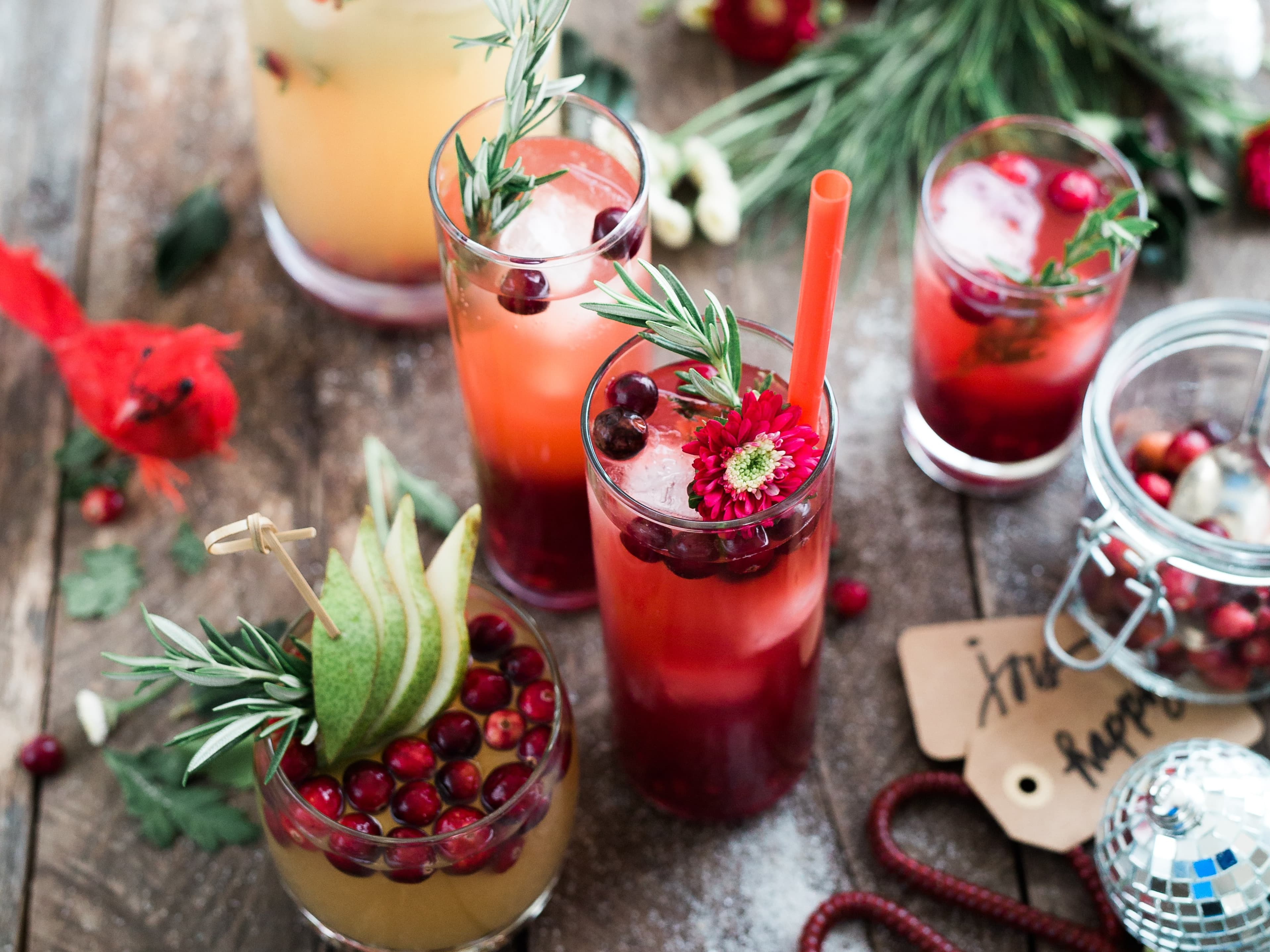
One of the simplest yet most effective strategies is to have a non-alcoholic beverage in your hand at all times. A sparkling water with lime, a cranberry and soda, or a festive mocktail looks the part and prevents people from constantly offering you a drink. This small act signals that you’re already taken care of and helps you blend in seamlessly.
2. Prepare Your “No, Thank You”
Having a planned response for when you’re offered a drink can eliminate awkwardness. You don’t owe anyone a lengthy explanation. A simple, polite refusal is usually enough. Consider these options:
- The Simple & Direct: “No, thanks, I’m good for now.”
- The Health-Conscious: “I’m not drinking tonight, focusing on my health goals.”
- The Early Start: “I have an early morning tomorrow, so I’m sticking to water.”
Studies on drink refusal techniques have shown that direct, unambiguous responses are often the most successful in social settings [2]. The key is to be firm but friendly. Your confidence in your choice will often be met with respect.
3. Focus on the Function, Not the Drinks
Shift your focus from the alcohol to the actual purpose of the gathering. Who are you excited to see? What conversations do you want to have? Engage in the activities, whether it’s dancing, playing a game, or catching up with an old friend. When you’re genuinely absorbed in the social experience, the presence (or absence) of alcohol becomes a minor detail.
The Social Science of Sobriety
It’s important to acknowledge the social pressure that often accompanies drinking. Alcohol is deeply embedded in our cultural rituals, and choosing not to drink can sometimes feel like you’re breaking an unwritten rule. However, research into the social experiences of those who reduce or stop drinking reveals a common journey: an initial period of adjustment followed by the development of new, empowering social strategies [3].
People often overestimate how much others are paying attention to their choices. In reality, most people are more focused on their own experience. Your decision not to drink is likely a much bigger deal to you than it is to anyone else.
Understanding the psychology of peer conformity can also be liberating. Individuals with a strong sense of self-determination are less susceptible to peer pressure regarding alcohol consumption [4]. By grounding yourself in your own values and reasons for not drinking, you reinforce your autonomy and make it easier to navigate social expectations.
Beyond the Holidays: A Path to Wellness
Choosing to be alcohol-free during the holidays can be the first step on a broader journey of personal wellness. The benefits—from improved physical health to enhanced emotional regulation—often inspire a more mindful approach to life in general. This path involves more than just abstaining; it’s about actively cultivating a lifestyle that supports your mind and body.
For those interested in exploring the deeper connections between mindset, habits, and personal transformation, there are many excellent resources available. For more on building a resilient mindset and fostering holistic well-being, check out the resources at InnerShift Wellness.
Ultimately, navigating holiday parties without alcohol is a skill. Like any skill, it gets easier with practice. Each event you attend with intention and clarity builds your confidence and reinforces the positive rewards of your choice. You’re not just surviving the holidays; you’re learning to thrive in them, on your own terms.
References
[1] Bandura, A. (1997). Self-Efficacy: The Exercise of Control. W.H. Freeman.
[2] de Ruyter, E., & Wiers, R. W. (2017). 'Why can't I just not drink?' A qualitative study of adults' social experiences of stopping or reducing alcohol consumption. Drugs: Education, Prevention and Policy, 24(3), 257-265.
[3] Neighbors, C., Lee, C. M., Lewis, M. A., Fossos, N., & Larimer, M. E. (2009). Are social norms the best predictor of outcomes among heavy-drinking college students? Journal of Counseling Psychology, 56(4), 558–569.
[4] Neighbors, C., Larimer, M. E., & Lewis, M. A. (2004). Targeting misperceptions of descriptive drinking norms: Efficacy of a computer-delivered personalized normative feedback intervention. Journal of Consulting and Clinical Psychology, 72(3), 434–447.