The Neuroscience of Cravings: What Happens in Your Brain When You Want a Drink
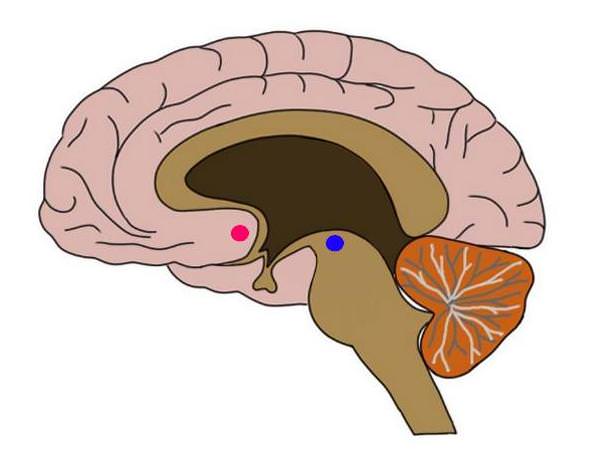
''' Ever felt that sudden, overwhelming urge for a drink? It’s not just a fleeting thought or a lack of willpower. It’s a complex neurological event, a powerful storm of chemical signals and learned responses happening deep within your brain. Understanding the science behind cravings can be a game-changing first step in navigating your relationship with alcohol, empowering you to respond with intention rather than reaction.
At its core, a craving is your brain’s powerful motivation system kicking into high gear. It’s a system that evolved to help us survive by seeking out rewards essential for life, like food and water. Unfortunately, this same system can be hijacked by substances like alcohol, creating a cycle that can feel incredibly difficult to break.
The Brain’s Reward Center: A Double-Edged Sword
Deep inside your brain lies a network of structures known as the reward pathway. A key player in this system is a powerful neurotransmitter called dopamine. When you experience something pleasurable, your brain releases a surge of dopamine, which essentially tells your brain, "Hey, that was good! Let's do it again." This process creates a powerful association between the activity and the feeling of pleasure, motivating you to repeat it.
Alcohol artificially stimulates this system, triggering a much larger release of dopamine than most natural rewards [1]. This flood of dopamine creates a feeling of euphoria and pleasure, reinforcing the act of drinking. Your brain quickly learns to associate alcohol with this intense reward. Over time, it begins to anticipate it.
"The brain begins to prioritize alcohol over other, healthier rewards. This is not a moral failing; it is a neurological adaptation."
As your brain adapts to the presence of alcohol, it starts to produce less dopamine on its own and reduces the number of dopamine receptors. This means you need more alcohol to achieve the same pleasurable effect—a phenomenon known as tolerance. It also means that when you’re not drinking, your dopamine levels can fall below normal, leading to feelings of flatness, boredom, or unease. This state is what often drives the intense desire to drink again, simply to feel "normal."
Cues, Triggers, and the Automated Brain
Cravings aren’t just about brain chemistry; they are also about learned associations. Our brains are incredibly efficient at linking environmental cues to behaviors. If you regularly have a glass of wine after work, your brain forms a strong connection between "end of the workday" and "alcohol reward."
These triggers can be anything:
- External Cues: Seeing a beer commercial, walking past your favorite bar, or the clinking of ice in a glass.
- Internal Cues: Feelings of stress, anxiety, sadness, or even happiness and celebration.
- Social Cues: Being around friends who are drinking.
When your brain encounters one of these cues, it automatically retrieves the memory of the alcohol reward and releases a small amount of dopamine in anticipation [2]. This is the craving. It’s your brain’s way of saying, "I know what comes next, and it’s rewarding!" This process can become so automated that the craving feels like it comes out of nowhere, bypassing your conscious decision-making process entirely.
The Prefrontal Cortex: Your Brain’s CEO Under Siege
While the reward system is hitting the accelerator, another part of your brain is supposed to be applying the brakes. The prefrontal cortex (PFC), located at the front of your brain, is your executive control center. It’s responsible for decision-making, impulse control, and weighing the long-term consequences of your actions.
Chronic alcohol use can impair the function of the PFC [3]. It weakens the connections that allow your PFC to regulate the more primitive, reward-seeking parts of your brain. The result? The "go" signal from the reward pathway overpowers the "stop" signal from your PFC. This makes it incredibly difficult to resist the urge to drink, even when you know the negative consequences.
"It’s like driving a car with a powerful engine and faulty brakes. The impulse to go is strong, and the ability to stop is compromised."
Rewiring Your Brain: The Path to Lasting Change
Understanding the neuroscience of cravings reveals a crucial truth: you can’t simply will a craving away. But you can learn to manage it and, over time, rewire your brain. By consistently choosing a different response to cravings, you begin to weaken the old neural pathways and build new, healthier ones.
This is where mindfulness and new habits become powerful tools. By recognizing a craving for what it is—a temporary burst of brain activity—you can create space to make a conscious choice. Each time you ride out a craving without drinking, you are actively retraining your brain. You are teaching it that the cue no longer leads to the reward, and over time, the cravings will lessen in intensity and frequency.
Building a healthier relationship with alcohol is a journey of understanding and self-compassion. It involves recognizing the powerful biological forces at play and developing strategies to work with your brain, not against it. For those looking to deepen their understanding of the mind-body connection, exploring complementary resources can be incredibly beneficial. For more on building supportive mindsets and fostering personal transformation, check out the wellness resources at InnerShift Wellness.
By learning the science, you can move from a place of frustration to a place of empowerment, equipped with the knowledge to navigate cravings and build a healthier, more intentional life.
References
[1] Gilpin, N. W., & Koob, G. F. (2008). Neurobiology of alcohol dependence: focus on motivational mechanisms. Alcohol research & health : the journal of the National Institute on Alcohol Abuse and Alcoholism, 31(3), 185–195.
[2] Heinz, A., Siessmeier, T., Wrase, J., Hermann, D., Klein, S., Grüsser, S. M., ... & Mann, K. (2004). Correlation between dopamine D2 receptors in the ventral striatum and central processing of alcohol cues and craving. American Journal of Psychiatry, 161(10), 1783-1789.
[3] Seo, D., & Sinha, R. (2014). The neurobiology of alcohol craving and relapse. In The Neuroscience of Addiction (pp. 317-333). Elsevier. '''