Rebuilding Trust: How Sobriety Transforms Your Relationships
Rebuilding Trust: How Sobriety Transforms Your Relationships
Alcohol addiction doesn't just harm the person drinking; it sends ripples through their most intimate relationships, eroding the very foundation of trust. When promises are broken and behavior becomes unpredictable, the bonds with partners, family, and friends can fracture. But sobriety offers a powerful opportunity not just to heal yourself, but to rebuild those connections, transforming them into something stronger and more honest than before. This journey is a process, one that requires patience, commitment, and a new understanding of how to relate to one another. It’s about learning to trust yourself again so that others can, too.
The Foundation of Trust: Understanding Attachment Theory
Attachment theory, originally developed by John Bowlby, suggests that our early bonds with caregivers shape our relationships throughout life. We develop an attachment style—secure, anxious, avoidant, or disorganized—that influences how we connect with others. Chronic alcohol use can severely disrupt these patterns. For the person struggling with addiction, the substance often becomes a primary source of comfort, supplanting healthy human connection and fostering an insecure attachment style. For their loved ones, the unreliability and emotional volatility that often accompany addiction can create anxiety and a sense of insecurity, damaging the relational bond.
When you choose sobriety, you begin the work of repairing these attachment injuries. By remaining consistently present and emotionally available, you start to create a new, secure attachment pattern. This is the bedrock of renewed trust. It’s about showing, day after day, that you are a reliable and safe partner. The ResetPoint Score can be a powerful personal tool in this process, providing a daily metric of your commitment to sobriety and helping you track the positive changes that build self-trust, which is essential before you can expect others to trust you.
The Blueprint for Reconnection: New Communication Patterns
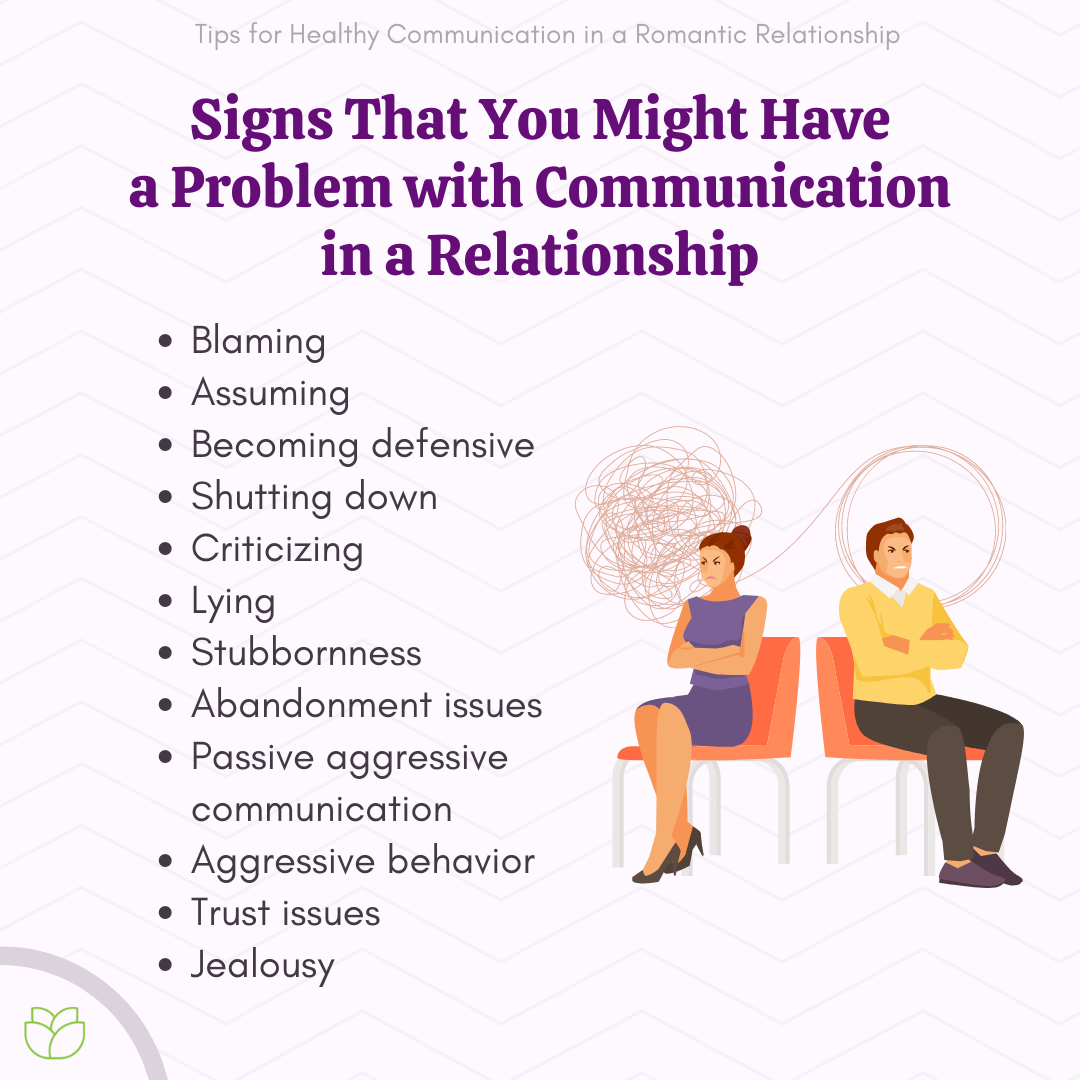
Trust cannot be rebuilt with silence. It requires a new, intentional way of communicating that replaces old, destructive patterns. In active addiction, communication is often characterized by dishonesty, defensiveness, and blame. In recovery, the goal is to cultivate openness, honesty, and vulnerability.
Here are some practical communication skills to focus on:
- Active Listening: This means listening not just to respond, but to understand. Put away distractions, make eye contact, and reflect back what you hear your loved one saying. This validates their feelings and shows that you respect their perspective.
- Using "I" Statements: Instead of saying, "You always get angry when I talk about my recovery," try, "I feel anxious when I bring up my recovery because I'm worried about how you'll react." This shifts the focus from blame to personal feeling and responsibility.
- Consistency and Transparency: Rebuilding trust requires that your words and actions align. Be open about your recovery journey—the challenges and the victories. Use ResetPoint’s trigger tracking and mood logging to gain insights into your emotional landscape, and share these insights with your partner. This transparency demonstrates self-awareness and a commitment to change.
If communication feels stuck, the ResetPoint AI Therapist can be a valuable resource for practicing these new skills in a safe, non-judgmental space, helping you prepare for real-life conversations.
The Timeline of Trust: A Marathon, Not a Sprint
It’s crucial to understand that rebuilding trust doesn’t happen overnight. It took time for trust to erode, and it will take time to build it back. There is no set timeline, but the process generally follows a few key phases:
- The Crisis Phase: This is the immediate aftermath of quitting drinking. Emotions are high, and the focus is on stabilization. The primary goal here is to maintain sobriety and demonstrate a genuine commitment to change.
- The Re-commitment Phase: As you accumulate sober time, you can start making and keeping small promises. This is where consistency is paramount. Every time you follow through on a commitment, you lay another brick in the foundation of trust.
- The Maintenance Phase: Over time, with consistent effort, a new normal begins to emerge. Trust becomes less of a conscious effort and more of a natural state. This doesn’t mean the work is over, but it does mean that the relationship is on solid ground.
Remember to be patient with yourself and your loved ones. There may be setbacks, and old fears may surface. The ResetPoint community forum is an excellent place to connect with others who are on the same journey, offering support and perspective when the road gets tough.
Deepen Your Practice with InnerShift
Rebuilding trust is as much an internal process as it is an external one. Healing the relational patterns that were damaged by alcohol requires a deep commitment to your own emotional well-being. The guided hypnosis sessions at our sister platform, InnerShift Wellness, can be a powerful complement to your journey. Their sessions on Relationships are specifically designed to help you heal attachment wounds, improve communication, and foster deeper intimacy. By working on your inner world, you strengthen your ability to show up as a trustworthy and loving partner in your outer world.
A New Beginning
Sobriety is more than just abstaining from alcohol; it's an invitation to a more authentic and connected life. The path to rebuilding trust is challenging, but it is also profoundly rewarding. It offers the chance to create relationships that are not just repaired, but are more resilient, honest, and intimate than ever before. By focusing on secure attachment, practicing open communication, and remaining patient with the process, you can transform your relationships and build a future based on mutual respect and unwavering trust.
References
- Bowlby, J. (1969). Attachment and Loss, Vol. 1: Attachment. New York: Basic Books.
- Gottman, J. M., & Silver, N. (2015). The Seven Principles for Making Marriage Work. Harmony.
- Brown, M. L. (2002). Communication practices and outcomes in recovering alcoholic couples. search.proquest.com