The Science of Cravings: Why They Hit and How to Ride Them Out
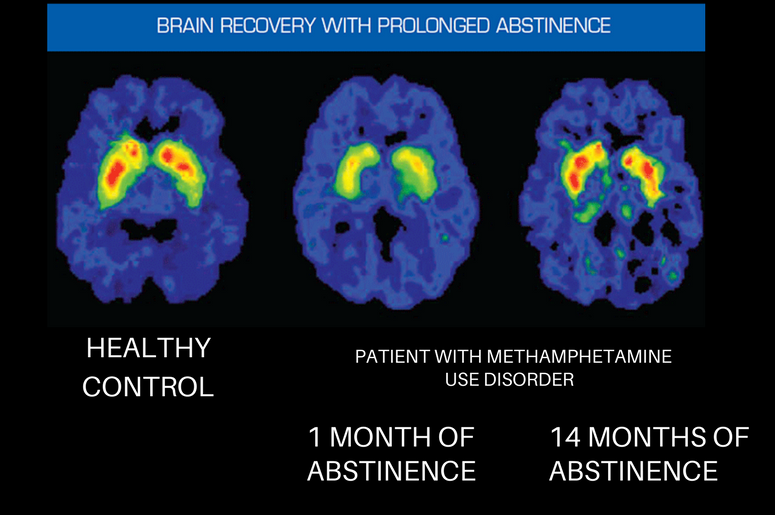
What a Craving Actually Is
A craving is your brain's conditioned response to environmental cues associated with past drinking. When you walk past your old bar, hear a cork pop, or feel stressed after work, your brain fires the same neural pathways that previously led to a drink.
The Craving Curve
Every craving follows a predictable pattern:
- Trigger — An external cue or internal state (stress, boredom, celebration)
- Escalation — Intensity builds over 5-15 minutes
- Peak — Maximum intensity, typically lasting 3-5 minutes
- Decline — Intensity naturally fades if you don't act on it
The critical insight: no craving lasts forever. Most peak and pass within 20-30 minutes.
Evidence-Based Craving Management
Urge Surfing
Developed by Dr. Alan Marlatt, this mindfulness technique involves observing the craving without judgment — noticing where you feel it in your body, how it changes, and watching it pass like a wave.
The HALT Check
Before reaching for a drink, ask: Am I Hungry, Angry, Lonely, or Tired? Address the underlying need first.
Delay and Distract
Set a 15-minute timer. During that window, engage in a physical activity — walk, pushups, cold shower. By the time the timer goes off, the craving has usually passed.
Play the Tape Forward
Mentally fast-forward past the first drink to the morning after. How will you feel? What will you have lost?
Building Craving Resilience
Each craving you successfully ride out weakens the neural pathway. Think of it as strength training for your prefrontal cortex — the brain region responsible for impulse control.