The Role of Nutrition in Alcohol Recovery
The Role of Nutrition in Alcohol Recovery
Embarking on the journey of alcohol recovery is a courageous step towards reclaiming your health and well-being. While emotional and psychological support systems are crucial, the role of nutrition is a foundational pillar that is often underestimated. Chronic alcohol consumption can significantly deplete the body of essential nutrients, and replenishing these stores is vital for both physical and mental healing. This article explores the science behind why nutrition is so critical in alcohol recovery and provides actionable steps to nourish your body back to health.
How Alcohol Affects Your Nutritional Status
Chronic alcohol use is a primary driver of nutritional deficiencies. It not only displaces nutrient-dense foods from the diet but also impairs the body’s ability to absorb and utilize the nutrients it does receive.
Alcohol itself is calorie-dense, providing “empty” calories without any significant nutritional value. This can lead to a reduced appetite and a tendency to substitute alcohol for wholesome meals. Over time, this pattern can result in malnutrition. Furthermore, heavy drinking directly damages the lining of the stomach and intestines, which compromises the absorption of key vitamins and minerals. The liver, which plays a central role in metabolizing nutrients, also becomes strained and less efficient.
Common deficiencies seen in individuals with alcohol use disorder include:
- B Vitamins: Particularly thiamine (B1), folate (B9), and B6 are crucial for brain function, energy production, and mood regulation. A severe thiamine deficiency can lead to serious neurological conditions like Wernicke-Korsakoff syndrome.
- Minerals: Magnesium, zinc, and calcium are often depleted, which can affect everything from nerve function and immunity to bone health.
- Fat-Soluble Vitamins: Vitamins A, D, E, and K can become deficient as alcohol impairs fat absorption.
These deficiencies don’t just impact physical health; they can also exacerbate feelings of depression, anxiety, and fatigue, making the recovery process even more challenging.
Your Nutritional Toolkit for Recovery
Adopting a nutrient-rich diet is one of the most empowering actions you can take during recovery. The focus should be on whole, unprocessed foods that heal the body and stabilize mood.
1. Prioritize Protein
Protein is essential for repairing tissues damaged by alcohol consumption and for synthesizing neurotransmitters like dopamine and serotonin, which are vital for mood stability. Including high-quality protein at every meal can help reduce cravings and support muscle repair.
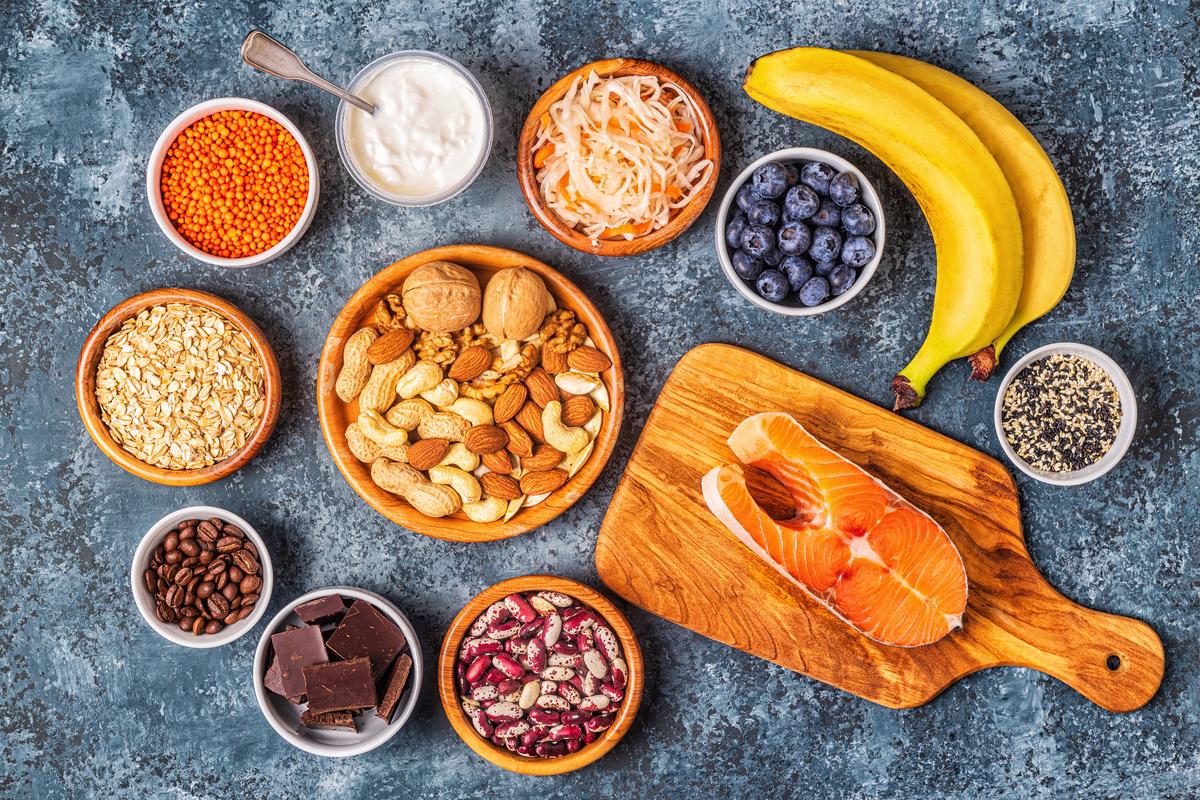
- Good sources: Lean meats, poultry, fish, eggs, dairy products, legumes, and tofu.
2. Embrace Complex Carbohydrates
Carbohydrates are the brain's preferred source of energy. Opting for complex carbohydrates provides a steady supply of glucose, which helps to stabilize blood sugar levels and reduce mood swings and cravings. They are also a great source of fiber, which is important for digestive health.
- Good sources: Whole grains (oats, quinoa, brown rice), starchy vegetables (sweet potatoes, squash), beans, and lentils.
3. Focus on Healthy Fats
Healthy fats, particularly omega-3 fatty acids, are critical for brain health. They help reduce inflammation and support the structure of brain cells, which is essential for cognitive recovery and neuroplasticity—the brain's ability to heal and form new connections.
- Good sources: Fatty fish (salmon, mackerel, sardines), flaxseeds, chia seeds, walnuts, and avocados.
4. Hydrate, Hydrate, Hydrate
Dehydration is common during alcohol withdrawal and recovery. Staying well-hydrated is essential for flushing out toxins, supporting organ function, and reducing symptoms like headaches and fatigue. Aim for 8-10 glasses of water per day.
A Supportive Eating Routine
Consistency is key. Eating regular, balanced meals and snacks throughout the day can prevent blood sugar crashes that often trigger alcohol cravings. If your appetite is low, start with smaller, more frequent meals or nutrient-dense smoothies.
Creating a structured meal plan can provide a sense of stability and control during a time of significant change. It’s a practical way to practice self-care and actively participate in your healing.
For those seeking to build a comprehensive wellness strategy that extends beyond nutrition, exploring resources on mindset and personal growth can be incredibly beneficial. For more on building resilience and fostering a positive mindset during recovery, check out the resources at InnerShift Wellness.
References
- Jeynes, K. D., & Gibson, E. L. (2017). The importance of nutrition in aiding recovery from substance use disorders: A review. Drug and Alcohol Dependence, 179, 229–239. https://doi.org/10.1016/j.drugalcdep.2017.07.006
- White, B., & Sirohi, S. (2024). A Complex Interplay between Nutrition and Alcohol use Disorder: Implications for Breaking the Vicious Cycle. Current Pharmaceutical Design, 30(23), 1822-1837. https://doi.org/10.2174/0113816128292367240510111746
- Ham, B. J., & Choi, I. (2005). Psychiatric implications of nutritional deficiencies in alcoholism. Psychiatry Investigation, 2(2), 65-74.