The Science of Habit Loops and How to Rewire Them
The Invisible Architecture of Your Life: Understanding and Rewiring Habit Loops
Most of us go through our days on autopilot. From the moment we wake up to when we go to bed, our lives are guided by a series of habits—actions and behaviors so deeply ingrained that we perform them without conscious thought. But what if we could understand the hidden architecture of these habits and learn to reshape them? The science of habit formation offers us a powerful framework for doing just that, and it all starts with something called the habit loop.
At its core, a habit is a formula that your brain automatically follows. To change a habit, you need to re-engineer that formula.
The Science Behind the Habit Loop
The concept of the habit loop was popularized by Charles Duhigg in his book The Power of Habit. It’s a simple yet profound neurological pattern that governs how habits are formed and maintained. The loop consists of three key components:
-
The Cue: This is the trigger that tells your brain to go into automatic mode and which habit to use. Cues can be anything from a specific time of day, a particular location, an emotional state, or the presence of certain people.
-
The Routine: This is the physical, mental, or emotional action you take in response to the cue. It’s the behavior that we typically think of as the habit itself.
-
The Reward: This is the positive reinforcement that tells your brain, “Hey, this routine is worth remembering for the future.” The reward satisfies a craving and solidifies the habit loop.
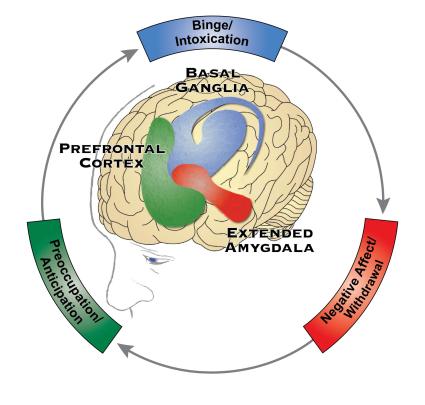
Neuroscientists have discovered that this process is rooted in a part of our brain called the basal ganglia, which plays a crucial role in the development of emotions, memories, and pattern recognition. When a habit is formed, the brain activity shifts from the prefrontal cortex (the decision-making part of your brain) to the more automatic processing of the basal ganglia. This is why habits are so efficient—they free up our conscious mind to focus on other things.
Why Breaking Bad Habits Is So Challenging
If habits are just a simple loop, why can it feel so difficult to break the ones that no longer serve us? The answer lies in the power of the reward and the automaticity of the routine. Over time, the cue and reward become so intertwined that the cue itself starts to trigger a craving for the reward. This is the neurological basis of cravings, and it’s what makes it so hard to resist the urge to engage in a bad habit.
Furthermore, because the habit loop is stored in the automatic part of our brain, we often perform the routine without even realizing it. This is why you might find yourself reaching for a snack when you’re not hungry or scrolling through social media when you intended to work. Your brain is simply running a program it has run many times before.
How to Rewire Your Brain: A Practical Guide
The good news is that our brains are incredibly adaptable. Thanks to a property called neuroplasticity, we can form new neural pathways and effectively rewire our habits. The key is not to extinguish a bad habit, but to replace it with a new routine.
Here’s a step-by-step approach to rewiring your habit loops:
1. Identify the Loop
The first step is to become a scientist of your own behavior. For a habit you want to change, spend a few days observing and writing down the components of its loop:
- What’s the cue? Is it a time, a place, an emotion, or something else?
- What’s the routine? Be specific about the action you take.
- What’s the reward? What craving is the routine satisfying? Is it comfort, distraction, energy, or social connection?
2. Experiment with Rewards
Once you’ve identified the reward, you can start to experiment with different routines that provide a similar payoff. If your 3 p.m. cookie habit is really about a need for a break and a burst of energy, could a short walk, a cup of tea, or a quick chat with a coworker satisfy that same craving?
3. Isolate the Cue
To figure out the true cue, you can use a simple method. When you feel the urge to perform the habit, write down the answers to these five questions:
- Where are you?
- What time is it?
- What’s your emotional state?
- Who else is around?
- What action preceded the urge?
After a few days, you’ll likely see a pattern that reveals the specific cue for your habit.
4. Have a Plan
Once you’ve identified the cue and experimented with a new, healthier routine, the final step is to make a conscious plan. Write it down in this format:
When [CUE], I will [NEW ROUTINE].
For example: “When I feel stressed after a long meeting, I will take five deep breaths instead of reaching for a cigarette.” By having a plan, you’re giving your brain a new script to follow, making it easier to override the old, automatic routine.
The Journey of a Thousand Miles
Rewiring habits takes time and effort. It’s a process of conscious repetition until the new behavior becomes as automatic as the old one. Be patient and compassionate with yourself. There will be times when you slip up, and that’s okay. The goal is not perfection, but progress.
By understanding the science of the habit loop, you’re no longer a passive participant in your own life. You have the knowledge and the tools to become the architect of your habits, and in doing so, to build a healthier, happier, and more intentional life.
For those looking to dive deeper into the interconnectedness of mind, body, and personal growth, the resources at InnerShift Wellness offer a wealth of information. For more on topics like mindfulness, mindset, and sustainable change, check out the resources at the InnerShift Wellness blog.
References
Duhigg, C. (2012). The Power of Habit: Why We Do What We Do in Life and Business. Random House.
Wood, W., & Rünger, D. (2016). Psychology of Habit. Annual Review of Psychology, 67, 289–314. https://doi.org/10.1146/annurev-psych-122414-033417
Chen, W., Chan, T. W., Wong, L. H., Looi, C. K., & Seow, P. (2020). IDC theory: habit and the habit loop. Research and Practice in Technology Enhanced Learning, 15(1), 1-20. https://doi.org/10.1186/s41039-020-00127-7