Yoga and Meditation: Ancient Tools for Modern Recovery
The Mind-Body Connection in Recovery
Navigating the path of alcohol recovery in our fast-paced, high-stress world presents a unique set of challenges. While the decision to reduce or quit drinking is a monumental first step, the journey is often marked by cravings, anxiety, and the difficult process of rebuilding one's relationship with themselves. For centuries, ancient practices have taught a fundamental truth that modern science is just beginning to fully appreciate: the mind and body are not separate entities, but a deeply interconnected system. This is where yoga and meditation emerge not as trendy wellness fads, but as powerful, evidence-based tools for supporting a sustainable recovery.
"The body benefits from movement, and the mind benefits from stillness." - Sakyong Mipham
At its core, problematic alcohol use often stems from a dysregulated stress response. Chronic stress floods the body with hormones like cortisol, keeping the nervous system in a constant state of "fight or flight." This state can amplify cravings and make it incredibly difficult to manage the emotional triggers that lead to drinking. Yoga and meditation work directly on this physiological level to restore balance.
Calming the Storm: How Yoga Resets the Nervous System
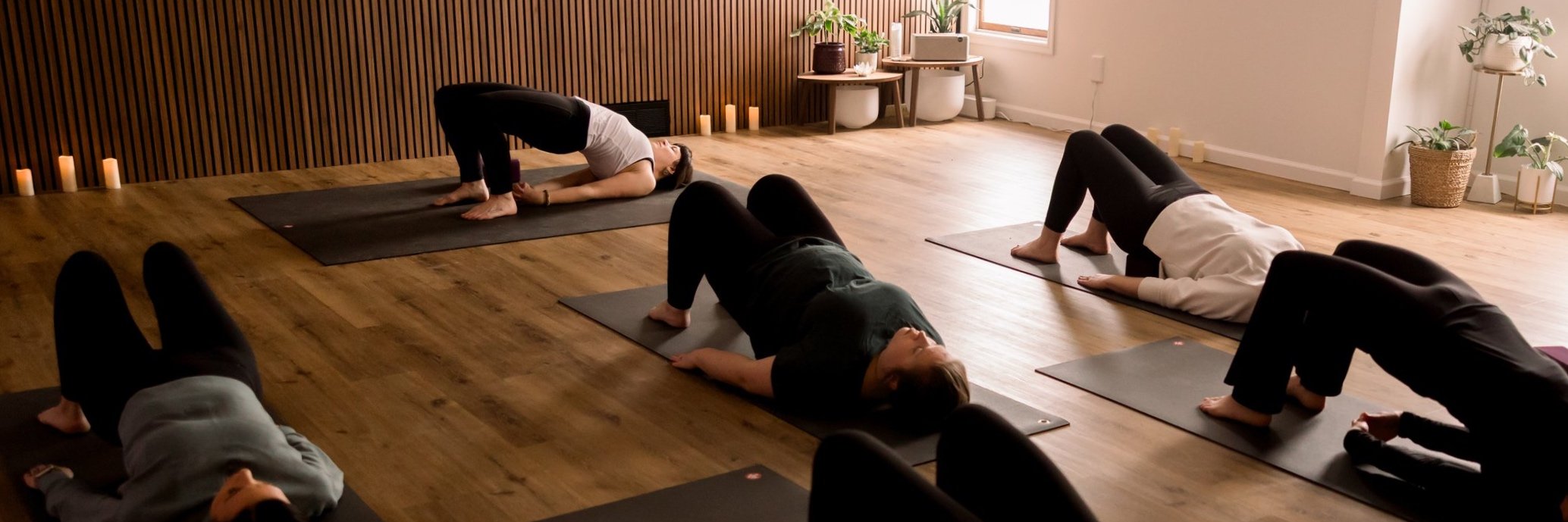
Yoga is far more than just physical postures; it is a holistic practice that integrates movement, breath, and mindfulness. The gentle stretching and strengthening of yoga asanas (postures) helps to release physical tension stored in the body, while pranayama, or breathwork, directly influences the autonomic nervous system. By consciously slowing and deepening the breath, we can shift the body out of the sympathetic ("fight or flight") state and into the parasympathetic ("rest and digest") state.
This shift has profound, measurable effects. Research has shown that a consistent yoga practice can increase heart rate variability (HRV), a key indicator of the body's ability to adapt to stress. It also boosts the production of GABA, a neurotransmitter that has calming effects and is often deficient in individuals with alcohol use disorder [1]. By soothing the nervous system, yoga reduces the physiological urgency of cravings and creates the mental space needed to choose a different response.
Watching the Waves: Meditation for Mindful Awareness
If yoga calms the body, meditation trains the mind. One of the most effective forms for recovery is mindfulness meditation, which involves paying attention to the present moment without judgment. For someone in recovery, this means learning to observe a craving as it arises—not as an unbearable command, but as a temporary wave of sensation and thought.
"You can't stop the waves, but you can learn to surf." - Jon Kabat-Zinn
Scientific studies on Mindfulness-Based Interventions (MBIs) have demonstrated their effectiveness in reducing relapse rates for substance use disorders [2]. The practice works by changing one's relationship to their thoughts. Instead of being swept away by a craving, you learn to acknowledge it, get curious about it, and let it pass without acting on it. This practice leverages the principle of neuroplasticity—the brain's ability to rewire itself. With consistent practice, meditation can weaken the old neural pathways that link triggers to drinking and strengthen new, healthier ones.
A Holistic Path to Lasting Sobriety
Integrating yoga and meditation into a recovery plan is about building a new foundation for life. These practices are not a quick fix, but a means of developing profound self-awareness, emotional regulation, and resilience. They teach you how to inhabit your body, befriend your mind, and navigate life's challenges with a sense of inner stability.
Starting is simpler than you might think:
- Start Small: Begin with just 5-10 minutes of guided meditation or a few gentle yoga stretches each day.
- Find a Guide: Use free apps or online videos to guide you through your first sessions.
- Be Patient: Like any new skill, it takes time. The goal is not to have a perfectly clear mind, but to simply keep showing up for yourself.
Building a life in recovery involves nurturing all aspects of your well-being, from physical health to mental clarity. It's about creating a lifestyle that supports your goals and helps you thrive. For more on developing a holistic approach to personal transformation and well-being, check out the complementary resources at InnerShift Wellness.
By embracing these ancient tools, you can empower your modern recovery, transforming your journey from one of struggle to one of profound self-discovery and lasting peace.
References
[1] Kuppili, P. P., Gupta, A., & Balhara, Y. P. S. (2018). Role of Yoga in Management of Substance-use Disorders. International journal of yoga, 11(2), 91–98. https://doi.org/10.4103/ijoy.IJOY_6_17
[2] Goldberg, S. B., Pace, B. T., Griskaitis, M., Will, T., & Wielgosz, J. (2021). Mindfulness‐based interventions for substance use disorders. Cochrane Database of Systematic Reviews, (10). https://doi.org/10.1002/14651858.CD011723.pub2
[3] Sancho, M., De Gracia, M., Rodriguez, R. C., Mallorquí-Bagué, N., Sánchez-González, J., & Trujols, J. (2018). Mindfulness-based interventions for the treatment of substance and behavioral addictions: A systematic review. Frontiers in Psychiatry, 9, 95. https://doi.org/10.3389/fpsyt.2018.00095
[4] Khanna, S., & Greeson, J. M. (2013). A narrative review of yoga and mindfulness as complementary therapies for addiction. Complementary therapies in medicine, 21(3), 244–252. https://doi.org/10.1016/j.ctim.2013.02.004